A terminal visit depends on more than a vessel reaching the berth. Before arrival, terminal teams, vessels and their representatives need to exchange information and understand what happens next. When that information is spread across separate messages and documents, finding the right detail can take time that operational teams would rather spend preparing the visit.
LBC Baton Rouge is now live with UAB-Online. The first phase is a step in LBC Tank Terminals’ wider digital journey and builds on a phased approach already used at other LBC locations. For the people coordinating each visit, the aim is straightforward: bring the relevant parties and information closer together in a shared digital environment.
A terminal connected to the Mississippi
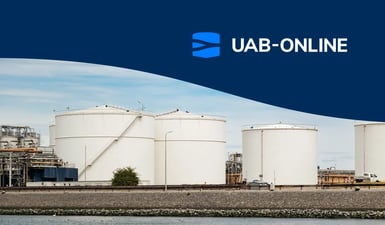
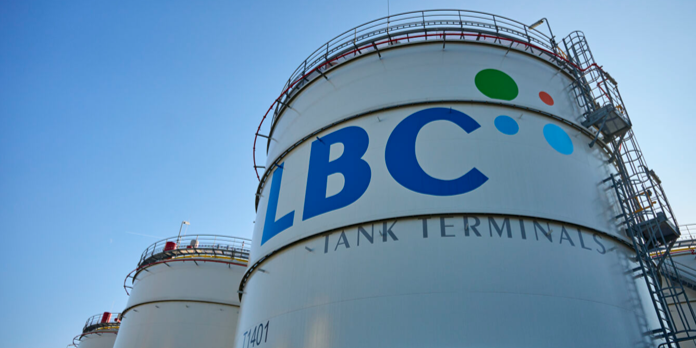
LBC Baton Rouge is a liquid storage terminal on the Mississippi River in Louisiana. It accommodates ships and barges and has road and rail connections. These connections make coordination important across different modes of transport and the people responsible for them.
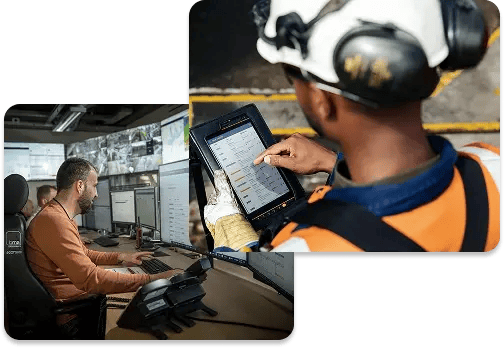
For the marine side of a terminal operation, each visit brings its own information needs. A terminal team needs to know which vessel is expected and have the relevant details available to prepare. Vessel representatives need clarity on the information requested. Agents and other parties may also be involved in keeping the visit moving.
The practical question is not simply whether information exists. It is whether the right people can find and use it when they need it. A shared digital workflow gives teams a way to organise that exchange around the visit rather than relying entirely on separate conversations.
Starting with a phased approach
The Baton Rouge go-live starts with phase 1. A phased implementation lets teams introduce a digital way of working in manageable steps, while keeping attention on the needs of the people using it.
LBC and UAB-Online have used this approach before. At LBC Bayport, the first phase included digital dossiers and online Notices of Readiness. The second introduced the sharing of documents in PDF format. This example describes Bayport; the implementation at each location follows its own operational needs.
A phase is more than a milestone on a project plan. It is an opportunity to establish how the terminal and its partners will work together, understand the information required for a visit and make sure the people involved know where to find it. Subsequent steps can build on that foundation when the terminal and its partners are ready.
Keeping the visit in view
A visit can involve multiple handovers: between the terminal and the vessel, between a vessel and its agent, or between colleagues working different shifts. Each handover benefits from a clear understanding of which information is needed and who is responsible for providing it.
UAB-Online connects terminals, vessels, agents and other maritime stakeholders on one platform. The platform is designed to support collaboration around liquid bulk operations, bringing parties together instead of leaving each organisation to piece together a separate version of the visit.
For a terminal team, this means thinking about the whole information flow rather than a single document. What is needed before arrival? Who can provide it? Who needs to see an update? Asking those questions early helps make a digital process useful in practice, not just a change in where documents are stored.
For vessels and their representatives, a shared process can also make expectations clearer. They need to understand what the terminal asks for and where to provide it. The goal is not to add another layer of administration, but to support a more consistent exchange between the parties involved.
Digitalisation that fits daily operations
Technology works best when it reflects the way people actually run a terminal. A phased rollout gives teams room to learn the process, identify questions and adapt their working routines. It also helps implementation teams focus on the information and handovers that matter to each location.
That local context matters. LBC Baton Rouge handles a range of liquid products and serves ships and barges, according to LBC’s terminal information. The details of a digital workflow need to fit that operational setting and the people involved in each visit. The experience of another terminal can provide a useful starting point, but it should not be treated as a substitute for the local setup.
This is why UAB-Online’s approach begins with collaboration. A common platform can support a more structured exchange, while terminal teams and their partners remain central to deciding how the process works in practice. Digitalisation supports their expertise; it does not replace the operational checks and decisions required for a safe visit.
Building on an established partnership
The Baton Rouge go-live adds another location to LBC’s work with UAB-Online. Previous public announcements describe the rollout at Bayport and at LBC’s Rotterdam, Antwerp and Lillo terminals. Together, they show how the partnership has used staged implementation in different terminal settings.
The next step is to build on the first phase at Baton Rouge in line with the terminal’s needs. The focus remains practical: help the people involved in a visit share information and coordinate their work through a common digital environment.
Want to see how connected workflows can support your terminal visits? Explore the platform.