




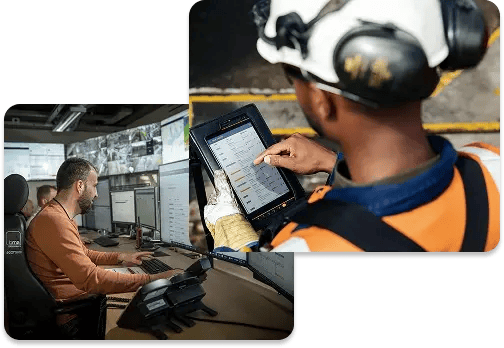
The maritime industry is undergoing profound change, with ports at the center of a digital revolution. As global trade expands and supply chains grow more complex, ports must embrace digital transformation to enhance efficiency, resilience, and environmental sustainability. Digitalization is now redefining port operations, partner collaboration, data use, and long-term planning, making digital transformation the essential strategy for future-ready ports.
From Digitalization to Smart Ports
A smart port is a modern hub that uses digital tools, automation, and data to boost logistics efficiency, improve operations by increasing throughput and reducing processing time, enhance security through advanced surveillance and risk detection, and reduce environmental impact by minimizing emissions and optimizing energy use. It combines technologies such as IoT, artificial intelligence, big data analytics, blockchain, and cloud platforms to enable real-time monitoring and more informed decision-making.
Moving to smart ports means shifting culture and strategy. Digital transformation is about changing business processes and management approaches to deliver greater value with fewer resources and improved coordination across stakeholders.
5 Key Technologies Driving Port Digitalization
1. Automation and Robotics
Automation is a clear sign of digital change in ports. Automated cranes, remote-controlled vehicles, and robotic handling systems reduce vessel and truck turnaround times, improve safety by limiting human exposure to hazardous environments, and increase cargo handling capacity. Leading container terminals in Europe and Asia are leveraging advanced automation and flexible equipment scheduling to drive higher operational efficiency.
2. Internet of Things (IoT) and Real-Time Monitoring
IoT sensors and connected devices allow ports to track equipment condition, vessel movements, cargo status, and environmental conditions in real time. When this data is integrated into centralized platforms, operators can identify bottlenecks, anticipate maintenance needs, and optimize resource allocation across the supply chain. This IoT-enabled foundation supports remote monitoring and predictive maintenance, reducing downtime and improving reliability.
3. Artificial Intelligence and Data Analytics
Artificial intelligence and advanced analytics enable ports to move from reactive operations to predictive management models. Machine learning algorithms analyze historical and real-time data to forecast berth demand, optimize container stacking, and streamline yard operations. These tools also support predictive maintenance, helping ports reduce unplanned equipment outages and associated costs. In addition, real-time analytics increasingly support emissions monitoring and energy optimization initiatives.
4. Digital Twins and Simulation Platforms
Digital twins, virtual replicas of physical port infrastructure and processes, are becoming valuable planning and optimization tools. By simulating operational workflows, port managers can test infrastructure changes, evaluate responses to disruptions, and model capacity expansion scenarios before implementation. This approach reduces operational risk while supporting continuous improvement and long-term strategic planning.
5. Port Community Systems and Shared Platforms
Port Community Systems (PCS) enable digital information sharing among carriers, terminal operators, customs authorities, freight forwarders, and regulators. These shared platforms streamline documentation, improve cargo visibility, and reduce administrative delays, enabling smoother logistics flows within ports and across international supply chains.
Operational Efficiency and Competitive Advantage
A joint study by Boston Consulting Group and TIC4.0 highlights that ports deploying digital tools across yard operations, gate management, stakeholder integration, and equipment automation consistently outperform less digitized peers. Digitally advanced ports demonstrate higher throughput, better asset utilization, and stronger operational visibility.
Automated gate systems and digital license plate recognition accelerate truck processing, while optimized yard stacking reduces congestion and unnecessary container moves. Enhanced digital communication with customs and carriers enables smoother vessel clearance and fewer delays, shortening supply chain cycle times and improving customer satisfaction.
Challenges in Digital Transformation
Despite its benefits, digital transformation presents several challenges for ports worldwide. Research has identified key obstacles:
- System interoperability: Legacy systems and fragmented technology environments complicate data integration and real-time collaboration
- Organizational resistance: Cultural inertia and resistance to change can slow adoption, particularly where traditional workflows dominat
- Cybersecurity and data privacy: Increased connectivity expands exposure to cyber threats, requiring robust protection of critical infrastructure
- Resource constraints: Smaller ports may struggle to finance large-scale digital investments, widening the gap with digitally mature ports
Recognizing these challenges allows port operators to develop realistic transformation roadmaps and prioritize technologies with the highest operational impact.
Workforce and Strategic Considerations
Digital transformation has significant implications for workforce development and change management. Port operators must invest in training and reskilling to ensure personnel can effectively use new digital tools and data-driven workflows. Aligning digital initiatives with organizational objectives helps ensure measurable returns on investment while maintaining operational resilience.
Conclusion: Navigating the Digital Future of Ports
Digital transformation is the central driver turning ports worldwide into smart, connected, and efficient logistics hubs. Through strategic adoption of automation, AI, digital twins, and port community platforms, ports can achieve measurable gains in capacity, visibility, sustainability, and competitiveness. However, becoming a truly smart port demands clear strategy, strong leadership, cross-stakeholder collaboration, and sustained investment in people and cybersecurity.
As global trade continues to evolve, ports that lead in digital transformation will be better equipped to manage disruptions, optimize resources, and meet the growing expectations of shippers and supply chains. For port leaders and decision-makers, the message is clear: digital transformation is the essential foundation for long-term relevance and success.