





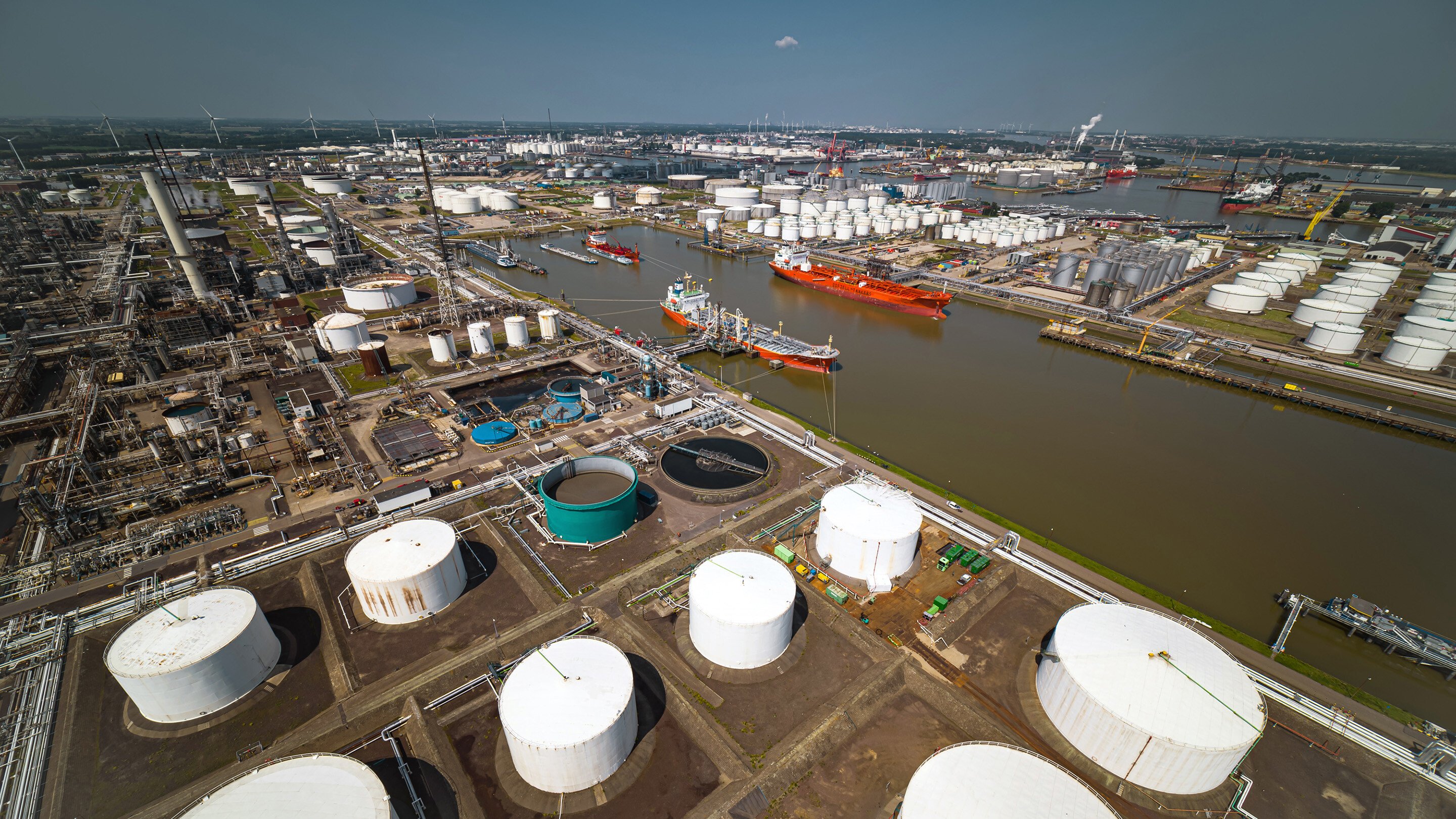
In 2026, UAB-Online became a member of the Rotterdam Port Promotion Council (RPPC). It’s a meaningful step for UAB-Online: it strengthens our position in the Rotterdam port ecosystem and connects us to a network of companies and organisations committed to improving how the port works together.
It also fits a broader shift we’re seeing across the maritime industry. The biggest operational gains don’t start at the berth. They start earlier when everyone involved in a port call can work from the same, reliable pre‑arrival information.
One port call, too many systems
When a vessel is on its way to port, terminals, agents, planners and other stakeholders are already coordinating. The challenge is that the information they depend on is often spread across multiple systems and a lot of it is still shared manually.
That creates predictable friction:
- updates arrive at different moments
- teams work with partial visibility
- handovers between shifts become harder
- changes are spotted late, when options are limited
And in the worst cases, missing or unclear information can delay the start of operations after arrival.
One shared view
UAB-Online focuses on a simple idea: bring all relevant pre‑arrival information together in one place, so the port call can be prepared with confidence.
The platform centralises key information needed before a vessel reaches the berth—think cargo details, timestamps, planning updates, safety checklists and compliance requirements—and makes it accessible to the people who need it.
The difference isn’t just “more data.” It’s better structure, earlier access, and shared clarity.
Built for an ecosystem, not a single user
While terminals are our direct customers, a port call involves many parties. The platform connects the wider ecosystem around a vessel’s arrival—agents, surveyors, shipowners, captains, traders, and sometimes even parties further along the chain.
Importantly, it’s designed so each stakeholder sees what’s relevant to their role. One platform, but not one-size-fits-all.
What changes in daily operations
When pre‑arrival data is shared and structured early, teams can move from reacting to updates to actually planning ahead. In practice, that means:
- earlier operational planning at the terminal
- smoother handovers between shifts
- faster response when things change
- less avoidable waiting time at berth
The outcome is a more predictable process and more direct communication across the chain.
More than software
UAB-Online is often described as a platform, but it’s equally a way of working. We help terminals standardise and streamline pre‑arrival processes—so teams spend less time chasing information and more time running operations.
A key differentiator is how we implement. We invest time upfront to understand the operation and align the platform with real workflows and integrations. Depending on complexity, implementations can take longer—yet in some cases we’ve gone live within a week. And we stay involved after go-live, improving the system continuously with our customers.
Expanding into dry bulk and deepsea
UAB-Online originally grew in inland shipping and liquid bulk. Today we’re expanding into dry bulk and deepsea, where roles, workflows and data requirements can differ. We’ve adapted the platform to those realities and are already live with the first customers in this segment.
Our RPPC membership supports this next phase. It helps us build relationships in the Rotterdam community, increase our visibility in dry bulk, and collaborate with stakeholders who share the ambition to make port operations more efficient and reliable.
A clear direction for the industry
The direction is clear: ports need to move from fragmented updates to shared, structured information—early in the port call.
- from reactive planning to proactive preparation
- from manual updates to connected workflows
- from “finding out at arrival” to making decisions before the ship berths
That’s the shift UAB-Online is working on and we’re proud to take this step with RPPC in 2026.